
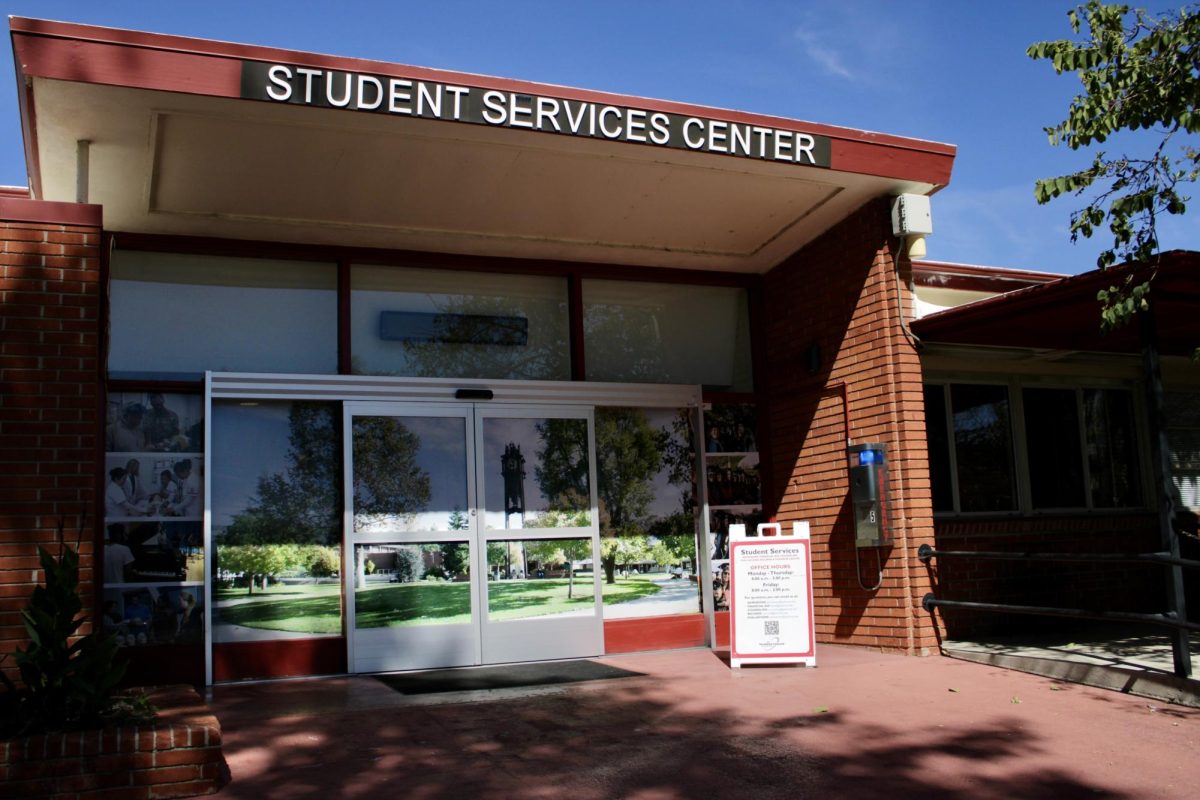
Trying to book a counseling appointment at Palomar College should not feel like competing for concert tickets.
Counseling is framed as a foundational service. Students are repeatedly told to meet with a counselor to plan their classes, check graduation requirements, address academic concerns or stay on track. Yet securing an appointment often feels unrealistic, especially when the earliest available times are weeks away or scheduled during working hours.
For many students, counseling is not optional. It is required for educational plans, transfer preparation and sometimes enrollment itself. But when access is limited, the system turns support into a bottleneck. Students who need quick answers are left waiting, even when the questions are time-sensitive.
Access is further narrowed by how appointments are made available. Students are often instructed to check counseling availability at 8 a.m. each day, when same-day appointments are released. Even then, availability is limited. Counseling staff have indicated that priority is often given to students who arrive in person, with phone appointments offered afterward if space allows.
This process favors students who can physically be on campus early in the morning. For those who work, commute long distances or rely on remote access, this system creates another barrier. An appointment may exist, but not in a way that is practical or equitable.
The problem is not just availability. It’s timing.
Many counseling appointments are offered during standard weekday hours, when students are in class or at work. For students balancing jobs, family responsibilities or rigid schedules, these time frames rarely align with reality.
The waiting period only adds to the pressure. Unanswered questions about class selection, requirements or transfer pathways can delay registration and affect financial aid. What could be resolved in minutes instead stretches into days or weeks, forcing students to make decisions without proper guidance.
Students report more than just limited availability. Some students even struggle to get a counselor on the line for a scheduled appointment, with no notification or follow-up made. Situations like this leave students stuck, waiting for guidance they were promised but never received.
Additionally, students are rarely guaranteed the same counselor from one appointment to the next. As a result, many find themselves repeatedly explaining their academic history, goals and concerns to different counselors. This lack of consistency slows the advising process and increases the risk of miscommunication, especially for students navigating transfer requirements or long-term education plans.
Limited access also increases demand. When academic information is unclear or scattered across departments, students turn to counseling for answers that should already be easily available. Counseling becomes the default solution for broader organizational gaps.
This puts counselors in an impossible position. They are overbooked and expected to compensate for institutional inefficiencies. The issue is structural, not personal. Counselors are doing their best within a framework that limits time, continuity and depth.
There is also an unspoken workaround that many students quietly rely on. It has become an open secret that scheduling counseling through one of the Palomar’s designated centers such as Career Center — is often more effective than going through general counseling.
These counselors tend to have more consistent availability with some of the same staff with the general counseling. While this may help some students get the guidance they need, it highlights a deeper problem: access to quality counseling should not depend on knowing the right loophole.
Relying on insider knowledge creates an uneven system where informed students move ahead while others remain stuck refreshing appointment pages. When navigating counseling requires strategy rather than transparency, the service stops being universally supportive and starts rewarding those who already know how the system works.
Counseling should move students forward, not slow them down. Right now, too many students are refreshing appointment pages at 8 a.m., rearranging work schedules, repeating their stories and walking away with answers they already had.
Support only works when it is accessible and consistent. At San Marcos campus, counseling exists — but for many students, it still doesn’t meet them where they are.