
In my childhood room, the walls are crowded with Polaroids and posters. My TV stand is packed with electronics: my PlayStation, a combo CD and VHS player and video game discs. Nearby, stacks of CDs from Selena Gomez to Caifanes wait to be played again. I grab my portable CD player, stretch out on my bed and slide on my corded headphones. For a moment, the chaos of the rest of the world goes quiet.
What once felt day-to-day ordinary now feels almost archival. But that feeling, of holding something, choosing it and returning to it, has not disappeared.
In this new era of media, recent trends show young adults are turning back to physical media out of nostalgia, a desire for ownership and a return to the personal archive — a sense of preservation.
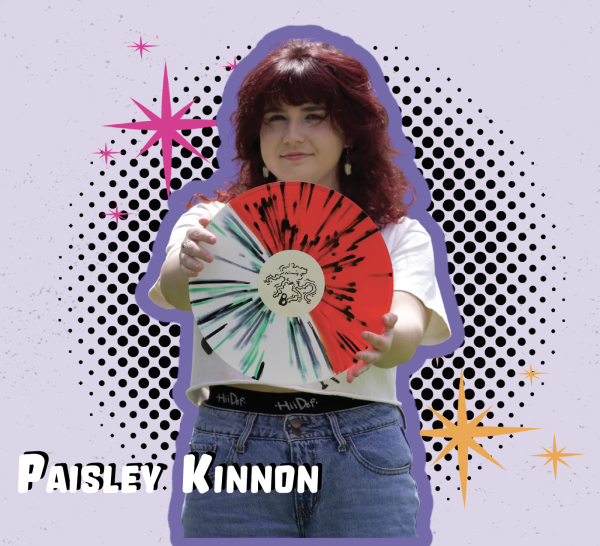 “I love when somebody’s idea turns into something tangible that I can hold,” student Paisley Kinnon said.
Kinnon is a 21-year-old Palomar photography major focused on concert photography.
Growing up, Kinnon was always surrounded by physical media. Her family had vinyl and CDs around the house, but they were more a part of the background than something she actively used.
That changed when she was around 17 and had a steady job and income, which allowed her to begin building a collection of her own.
“I was able to be like ‘Oh, my favorite band is releasing an album, I’m gonna go grab that,'” Kinnon said.
She said she has noticed younger generations returning to older formats, especially vinyl and CDs.
Vinyl continues to lead physical music sales in the United States. The Recording Industry Association of America reported that vinyl sold 46.8 million units in 2025, compared with 29.5 million CDs, and total physical music revenue grew 5% from the previous year.
“Things just go in and out of style,” Kinnon said. “Vinyl made a huge resurgence, and now CDs are starting to make somewhat of a resurgence … it’s just trends.”
But Kinnon said the return of physical media also comes with a downside: overconsumption. As vinyl, CDs and special editions regain popularity, some artists release several versions of the same album with alternate covers, colored pressings, bonus tracks or exclusive packaging.
Taylor Swift’s “The Tortured Poets Department” became one high-profile example of that strategy, with multiple physical variants and bonus-track editions released around the album. Variety reported in 2024 that Swift’s album variants had drawn attention from fans who were buying multiple editions for different collectible features.
Publishing has followed a similar pattern, with some books marketed through exclusive editions, sprayed edges, alternate
covers or bonus artwork. For collectors, those features can make the object feel more special. For critics, they can turn ownership into another form of consumer pressure.
Still, physical media’s renewed appeal exists alongside the convenience of digital access. Streaming and digital platforms allow people to reach movies, music, books and games quickly, but they also change what it means to own something. Instead of paying once to keep a work, users often pay for access that can change or disappear.
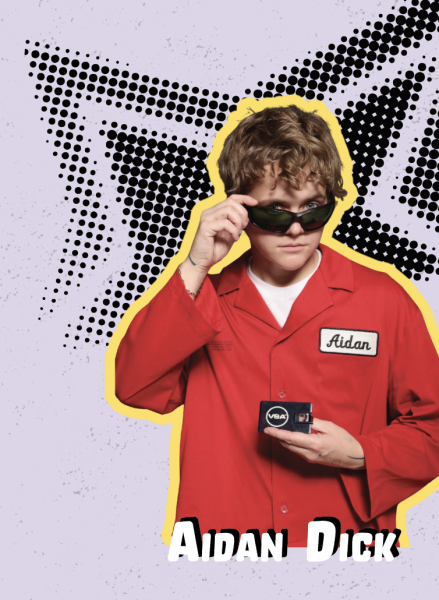 That tension is part of what drew Aidan Dick to Video Storage Age, an online video store company that distributes films on physical hard drives.
“As a person, I love an object,” said Dick. “Something to have and to hold and to feel connected in a way that I think slows down the consumption of media.”
Dick is currently the chief operating officer of Video Storage Age. They previously worked in film and at Frameline, a queer film festival in San Francisco.
They said they saw how filmmakers could struggle after festival runs ended, especially when traditional distribution systems did not make room for smaller or independent work.
“Everyone kept feeling like it’s broken and as a programmer, my job really stops at the festival,” Dick said. “I can’t ensure sort of a life after that. I can only make sure their time at the festival is as fun and enriching as possible.”
Video Storage Age partners with rising filmmakers and sells their work on hard drives, creating a physical format that can be used with current technology more easily than DVDs. Dick said the goal is to preserve some of the feeling of owning a film while updating the format for modern viewers.
“It feels like a DVD in the present tense,” Dick said.
The model also gives filmmakers a larger stake in the sale of their work. Dick said 50% of sales go to the artist, giving them more control and ownership over their films.
“It feels like more flexible and applicable for or something we’re trying to do, which is be more, you know, flexible and applicable for filmmakers,” said Dick.
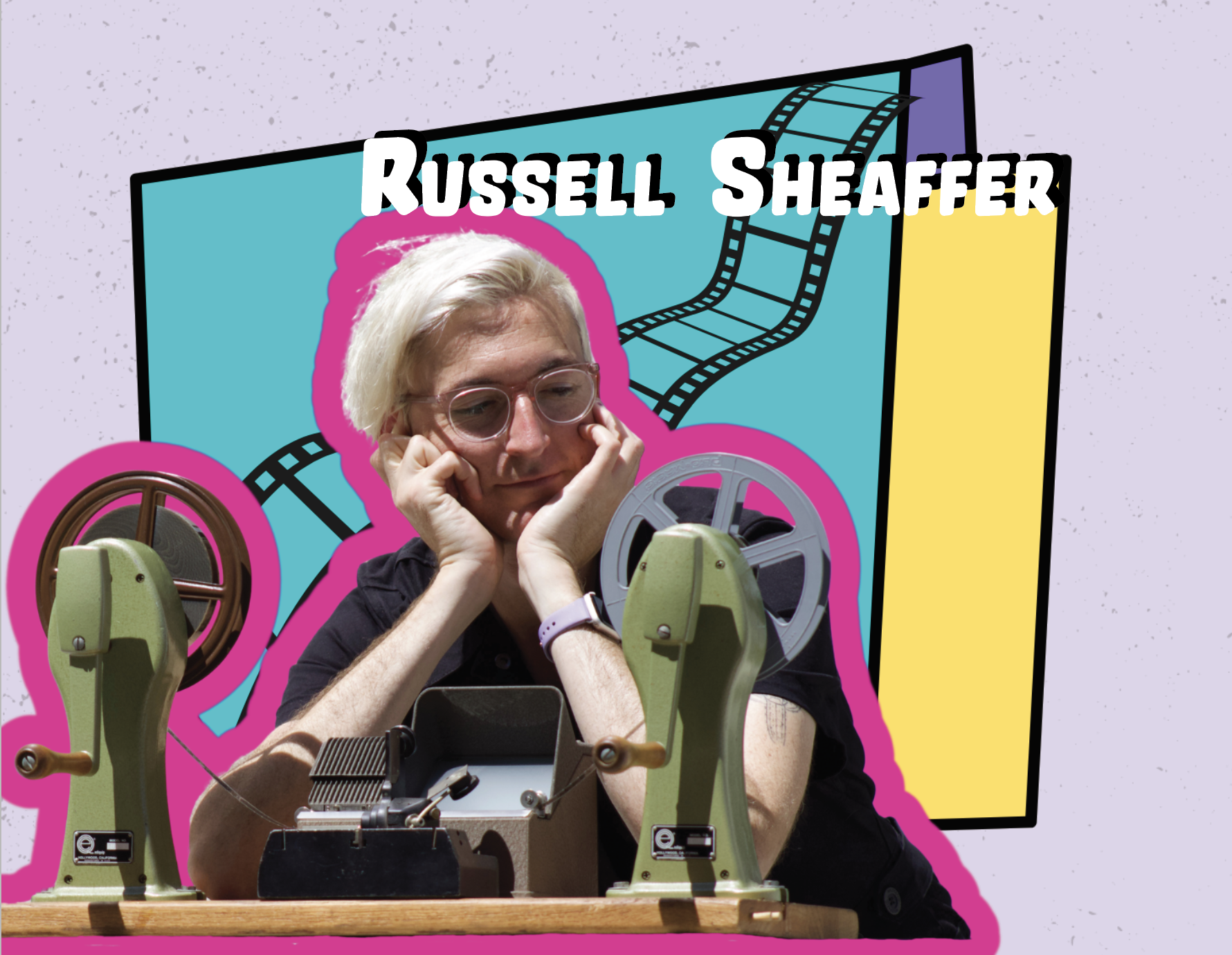
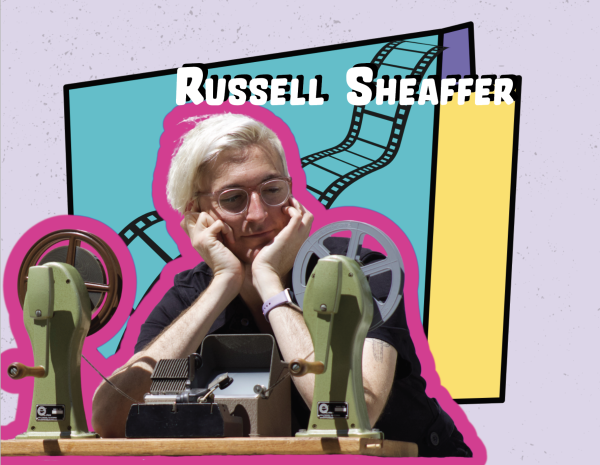 For Russell Sheaffer, a cinema professor at Palomar College, the appeal of physical media is tied to memory as much as access.
“I do think that there’s a growing amount of people who are missing that tangible relationship to the object that is any art form,” Sheaffer said.
Sheaffer said digital media has benefits, but physical formats can carry emotional weight. Pulling a film from a shelf can bring back the memory of when someone first saw it or who they were when they connected with it.
“I definitely have accumulated them physically around me, and in a lot of ways, it’s like a good book,” Sheaffer said. “I can see it on the shelf and pull it out and be like, ‘Oh yeah,’ I remember the first time I saw this. Or it’s a reminder of a certain version of yourself, maybe that you have an attachment to and I do think that a lot of that has to do with the tangibility of the object, of feeling like it can be really pulled out when you need it.”
The question of preservation goes beyond nostalgia. Emily Gudmundson, an archivist with the University of California Santa Cruz working for the Dolores Huerta Foundation, said one danger is assuming digital copies can fully replace physical materials.
“I think that the biggest danger to physical media is people thinking it’s not important, throwing it away, thinking the crossover to digital is going to be in place of, instead of a fail safe,” Gudmundson said.
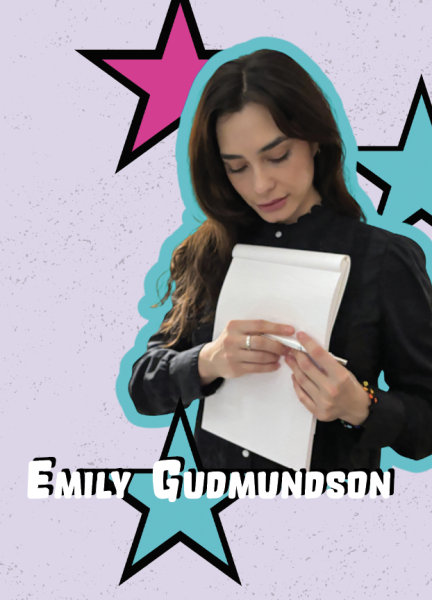 Gudmundson said digital access can create a false sense of permanence. Files can be lost, platforms can change and access can depend on companies or subscriptions. Physical media can also deteriorate, but keeping the original object gives people another layer of control over what survives.
That same fear around ownership has also surfaced in gaming, where physical media has long been part of the experience of collecting and playing.
With the Nintendo Switch 2, Nintendo introduced game-key cards, a format that gives buyers a physical card but requires the game to be downloaded before play. The cards are not tied to one account and can be resold, borrowed or shared, but they still depend on an initial internet download.
Nintendo later sent out surveys asking players about physical and digital games, including game-key cards, after online debate about the format.
For many, that distinction matters. A case on a shelf can still feel physical, but if the full game is not stored on the card, ownership becomes less straightforward. The debate reflects the larger question running through music, film, books and games: whether access is enough, or whether people still want something they can keep.
Whether the format is a CD, a film hard drive, a book edition or a game case, the appeal remains similar: people want something they can actually keep. In a media landscape built on instant access, the return to physical formats suggests that access alone is not always enough.