
College life can be challenging, and balancing classes with work, finances, and personal well-being is far from easy. Palomar offers a wide range of programs designed to ensure that students have access to the tools they need to succeed.

Closet window. (Lexi Thurman)
1. Comet’s Closet
Comet’s Closet is a Basic Needs service available on the main campus that offers Palomar students two full outfits each semester at no cost.
Students can either make an appointment online or visit the Access & Engagement Center in the Student Union (SU-19) for a walk-in visit.
For an appointment, students check in at the Basic Needs office, meet with a staff member who explains the process, and are guided to Comet’s Closet to browse the available clothing.
A second location, run by the fashion department, is available at the Rancho Bernardo campus, expanding the reach of this resource.
Comet’s Closet seeks to “provide students with equitable access to clothing that supports both their personal and professional growth,” Basic Needs Manager Riham Shenouda said.
Whether it’s for a job interview, a special event, or just everyday wear, knowing that these clothes are available gives students the confidence and security to present their best selves.
2. Food and Nutrition Center
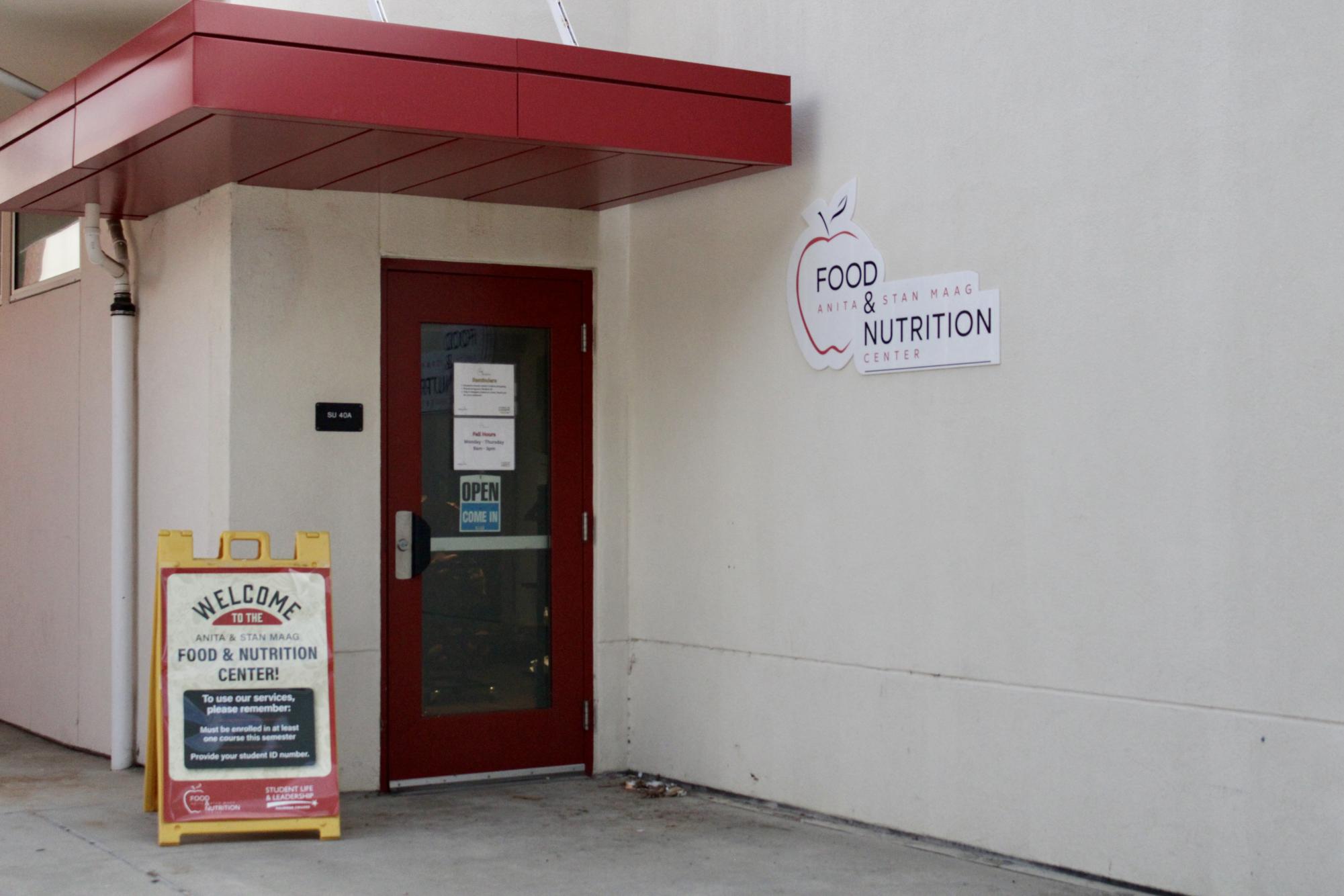
The Anita & Stan Maag Food and Nutrition Center helps students cover the basics with free groceries and essentials. The center is open Monday through Thursday from 9 a.m. to 3 p.m. in SU-40A on the San Marcos campus. Students must be enrolled in at least one Palomar course to use it.

in SU-40, behind the Student Union. (Lexi Thurman)
Upon entering, students can grab a basket by the door and then peruse the selection of food items. Refrigerators house perishables like vegetables, while the shelves are lined with canned goods. Low-sodium and sugar-free options are available.
Students who sign up at the center can receive up to 20 pounds of free food and groceries each month. The center also provides menstrual and hygiene products such as deodorant, shampoo and toothpaste.
Students who are unable to visit the center can pick up orders from the Comet Care Lockers. Food items, hygiene and menstrual products can be ordered through the lockers, which have locations on the San Marcos, Rancho Bernardo, Fallbrook, and Escondido campuses.
“Students can only thrive and reach their full academic potential when their fundamental needs such as food, housing, transportation, and access to hygiene products are met,” Shenouda said.
The Food and Nutrition Center is a valuable resource for all students. Having reliable access to basic necessities can ease financial stress and remove everyday barriers, allowing students to dedicate more of their focus toward learning.
3. Extended Opportunities Programs & Services
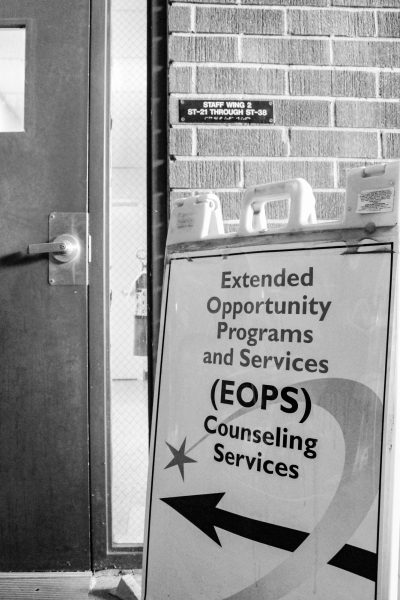
Extended Opportunities Programs & Services (EOPS) expands educational access for underrepresented students through assistance and equitable opportunities. It is a state-funded program that was created as a result of the Civil Rights Movement.
At Palomar, EOPS complements programs such as Palomar Promise by providing “timely access to counseling and priority access to textbooks.” EOPS also assists with transportation through parking permits, bus passes and gas cards.
To use the resources available through EOPS, students must be enrolled in at least 12 units (6 units for Disability Resource Center students). More specific eligibility requirements can be found on the EOPS website. Students who meet the requirements must apply.
EOPS is geared toward students facing additional challenges that may be hindering their educational journey. The services it offers extend accessibility and provide a fair playing field across all facets of student life.
4. Student Health Center
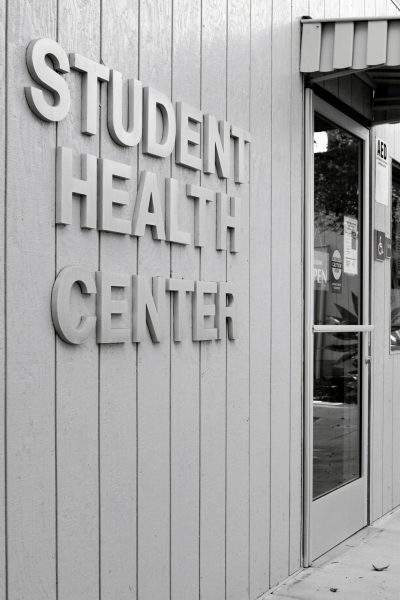
The Student Health Center (SHC) provides low-cost, on-campus care across primary and preventive services. It is located across from the NS Building on the San Marcos campus and is open Monday through Thursday from 8 a.m. to 4:30 p.m. and Fridays from 8 a.m. to 2 p.m.
The services offered include family planning and STI testing, immunizations and lab testing, according to Sarah Adams, nurse practitioner and interim director of the SHC.
“We have students who have health care providers outside of Palomar College, but they choose to come here because it is confidential, convenient, affordable, compassionate, and nonjudgmental,” Adams said.
To use the center, students need to pay the per-semester health fee. The specific health services have varying fees, which can be found on the Student Health Center website.
The center provides “supportive health care to all students which enhances their well-being and their ability to succeed in their educational journey,” Adams said.
This program is especially important for students who do not have health insurance or a health plan. The convenience and affordability of on-campus care help ensure that students can prioritize
their health without the added stress of finding or paying for outside services.
5. Behavioral Health Services
The Student Health Center not only provides services dedicated to ensuring the physical health of students, but also their mental health.
The Behavioral Health Counseling Services (BHCS) provides “confidential, culturally informed mental health counseling services,” said Tim Leslie, director of behavioral health and wellness.
These services are included in the student health fee; no additional payment for counseling is required.
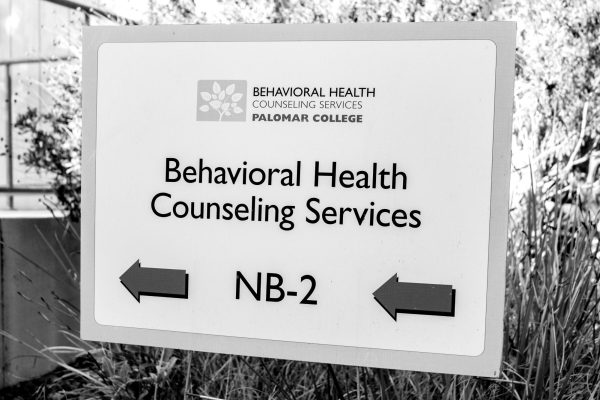
The BHCS office is located in NB-2. Students can make counseling appointments in person or by phone. In-person services are also available at the Escondido campus on Thursdays and at the Fallbrook campus on Mondays.
The counselors in the BHCS office work to support students’ mental health through individual counseling sessions, campus outreach events, and collaborations with other student service programs, Leslie said.
Mental health can impact every part of a student’s life, from academic performance to personal life and overall well-being. For students who may not have access to outside therapy, this resource can be a lifeline, offering the support needed to manage stress and stay grounded.