
When I was around 14 or 15 years old, during my sophomore year of high school, I began experiencing symptoms that I later learned were related to Polycystic Ovary Syndrome (PCOS). I missed class after class and went to appointments instead, only to not receive any clear answer.
PCOS care too often stops at cycle control and cosmetic fixes, while ignoring metabolic risks and mental health, and that gap keeps patients sick.
The average time it takes for people to receive a PCOS diagnosis is over two years, with most patients in their 20s to 30s, according to the Cleveland Clinic.
The delay often stems from primary care physicians lacking specialized training in endocrinology and the tendency to focus on singular symptoms rather than the full clinical picture.
For many patients, the physical symptoms, especially the visible ones like facial hair, are deeply distressing, leading to significant body image struggles and social anxiety. But the most insidious struggle is the fight for medical legitimacy.
PCOS is a complex hormonal condition characterized by an imbalance of reproductive hormones. It is often described as a syndrome of exclusion because its extensive symptoms overlap with other conditions and no single definitive test exists.
Common signs include irregular or absent periods, elevated androgens (which can cause facial hair and cystic acne), insulin resistance and weight changes, ovarian follicles that can appear as cysts on ultrasound, and fatigue, anxiety, or depression.
Not all patients have the ‘classic’ signs, which makes timely diagnosis harder — and easier to dismiss.
I went six months without any treatment for what I was experiencing. The nausea got stronger and the ability to eat anything disappeared. It was after those six months that I learned the gut-wrenching feeling in my lower abdomen was due to cysts on my ovaries.
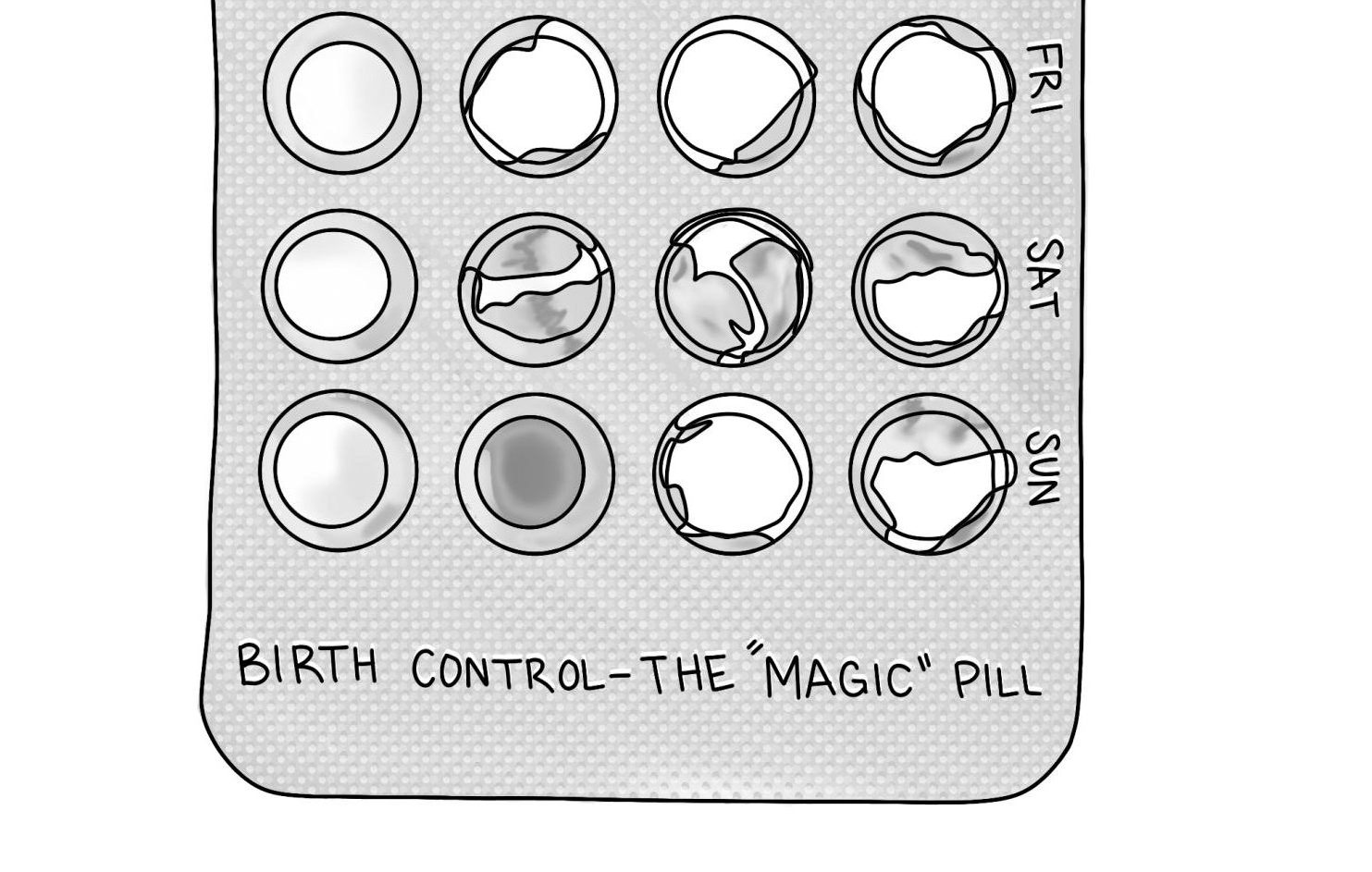
Once we found out that the cysts were one of my main problems, the doctors really started to take action, and I was diagnosed with PCOS by the end of that year. However, nothing was cured or fixed. All I got was a prescription for hormonal birth control.
The tendency to treat patients with PCOS with hormonal birth control alone is a frequent point of frustration. While effective for contraception and cycle regulation, it often fails to address the critical metabolic and insulin resistance components of the syndrome, which put patients at higher risk for type 2 diabetes, heart disease, and endometrial cancer later in life, according to a 2022 editorial in the National Library of Medicine.
Taking birth control seemed to work; it relived the pain and reduced cyst-related symptoms. But taking birth control comes with a lot of side effects.
While on birth control, I experienced unintended weight loss and low appetite. Ongoing nausea made heavier meals difficult. Birth control, while sometimes helpful for some patients, isn’t helpful for everyone. One struggle with taking medications is that they will help with one illness, but they could cause or worsen another.
Aside from having PCOS, I have hyperhidrosis, which is a condition characterized by excessive sweating in the hands, armpits, and feet. I was prescribed with glycopyrrolate, a medication meant to stop me from sweating. But the birth control ended up being too strong for the medication and caused it to not be as effective.
When I would go to the doctor I would tell them “Yes, the birth control is working …” because it was, but only with reducing cyst pain. Meanwhile, my mental health slipped under the pressure of body-image stress and school.
Anxiety disorders in women with PCOS range from 28% to 39%, while depression disorders range from 11% to 25%, according to a review in the National Library of Medicine.
The irony is that after the endless search for a diagnosis, the real fight only just began. It wasn’t just about the cysts or the calendar anymore; it was about the silent erosion of self.
It was about standing in a doctor’s office and listing the collateral damages. The anxiety, the crippling fatigue, the fear of food, and seeing their eyes glaze over, ready to write the next refill for a pill that only treated the surface.
They gave me a diagnosis and a prescription, but they never gave me legitimacy. And so, the struggle continues, a lifelong negotiation with a body that feels betrayed, and a medical system that is still learning to listen.